

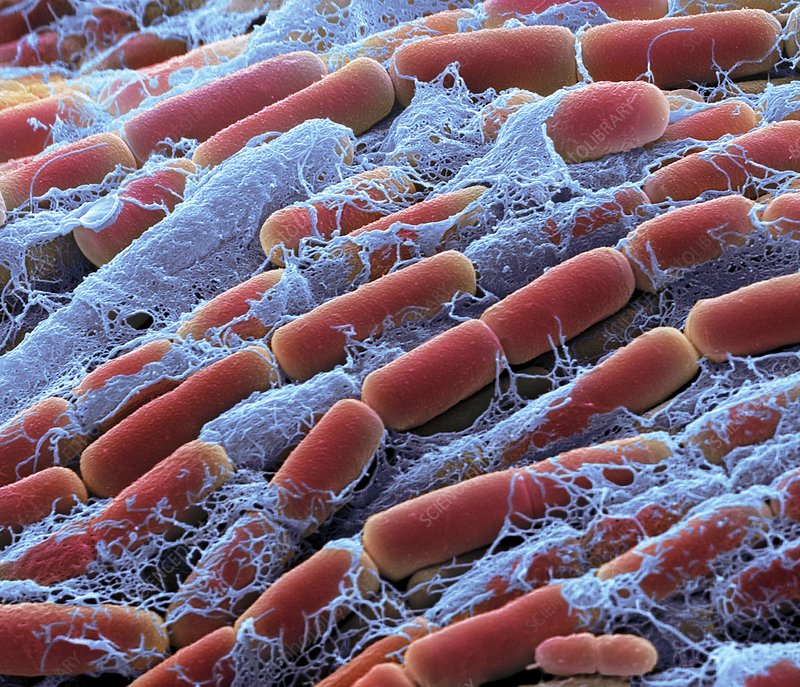
Bacillus megaterium is a gram-positive, aerobic bacterium widely used in the production of microbial fertilizers. This powerful strain is renowned for its remarkable ability to solubilize phosphorus and zinc, making these essential nutrients more accessible to plants. It enhances fertilizer efficiency and promotes plant health—without the need for chemical additives.
How does Bacillus megaterium work in the soil?
- Phosphorus solubilizationBacillus megaterium breaks down insoluble phosphorus in the soil, converting it into plant-available forms through the secretion of organic acids. This boosts the availability of phosphorus—vital for plant growth and photosynthesis.
- Chelation of micronutrientsThe bacterium doesn’t just solubilize phosphorus—it also chelates other key micronutrients like zinc, iron, and magnesium, making them easier for plants to absorb. These elements are often locked in the soil due to chemical interactions that limit their availability.
- Improvement of soil healthBacillus megaterium enhances microbial diversity and stimulates beneficial soil organisms involved in the mineralization of organic matter. This leads to improved soil structure, increased organic content, and ultimately, greater soil fertility.
- Production of growth hormonesThe bacterium produces natural plant growth hormones such as auxins, which stimulate root system development and enhance the absorption of water and nutrients.


Effectiveness and economic benefits
- High effectiveness in boosting crop yields
- Low application costs compared to chemical fertilizers
- Long-term benefits for soil health, reducing the need for frequent chemical fertilizer use
- Improved resilience to climate stressors such as drought
Application of Bacillus megaterium in agriculture
This microbial fertilizer can be applied directly to the soil or used for seed treatment.
It is suitable for a wide variety of crops, including grains, vegetables, fruit-bearing plants, and herbaceous crops.
Scientific research shows that Bacillus megaterium plays a significant role in enhancing crop resilience to climate change—such as drought or extreme conditions. These studies also emphasize its importance in integrating biological solutions into modern farming practices, helping to reduce dependency on synthetic chemical fertilizers.