

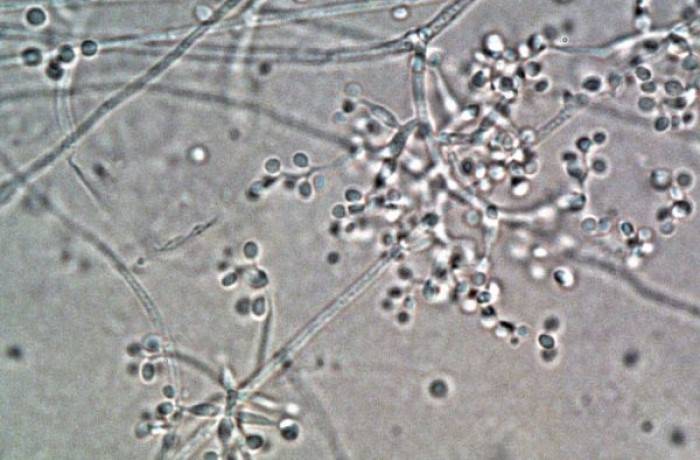
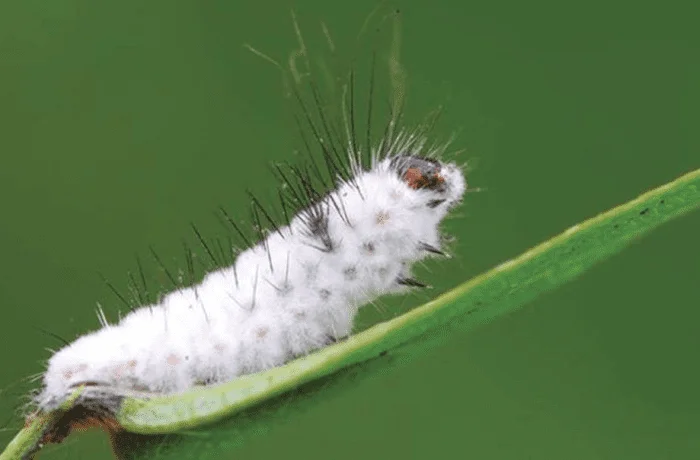
Beauveria bassiana is a beneficial fungus that plays a crucial role in the biological control of pests and is effectively used as a natural insecticide in agriculture. It is a valuable tool in sustainable farming, offering an eco-friendly solution for combating pests, various insects, and mites that damage crops. Its strongest effect is observed on the larvae and eggs of harmful organisms. Once the fungal spores come into contact with the insect’s body, they release enzymes that dissolve the chitin in the exoskeleton. The fungal hyphae then grow and penetrate the host’s body, leading to its eventual death. This biological insecticide acts against a wide range of insects, targeting adult pests, eggs, larvae, and even weevils.
Effectiveness and economic benefits
- High efficacy against pestsBeauveria bassiana delivers impressive results in insect control, significantly reducing crop losses and improving the quality of agricultural yields.
- Low application costsProducts containing Beauveria bassiana are both cost-effective and highly efficient, making them an accessible solution for farmers seeking sustainable alternatives.
- Suitable for organic farmingThe use of this fungus fully complies with organic agriculture standards and helps reduce dependence on chemical pesticides.
Application of Beauveria bassiana in agriculture
Seed treatment:
Offers early-stage protection by safeguarding plants from the very beginning of their growth cycle.
Foliar spraying:
Spores applied to plant leaves come into contact with insects, initiating the infection process.
Soil treatment:
Controls soil-dwelling pests such as corn rootworms and other damaging larvae.